
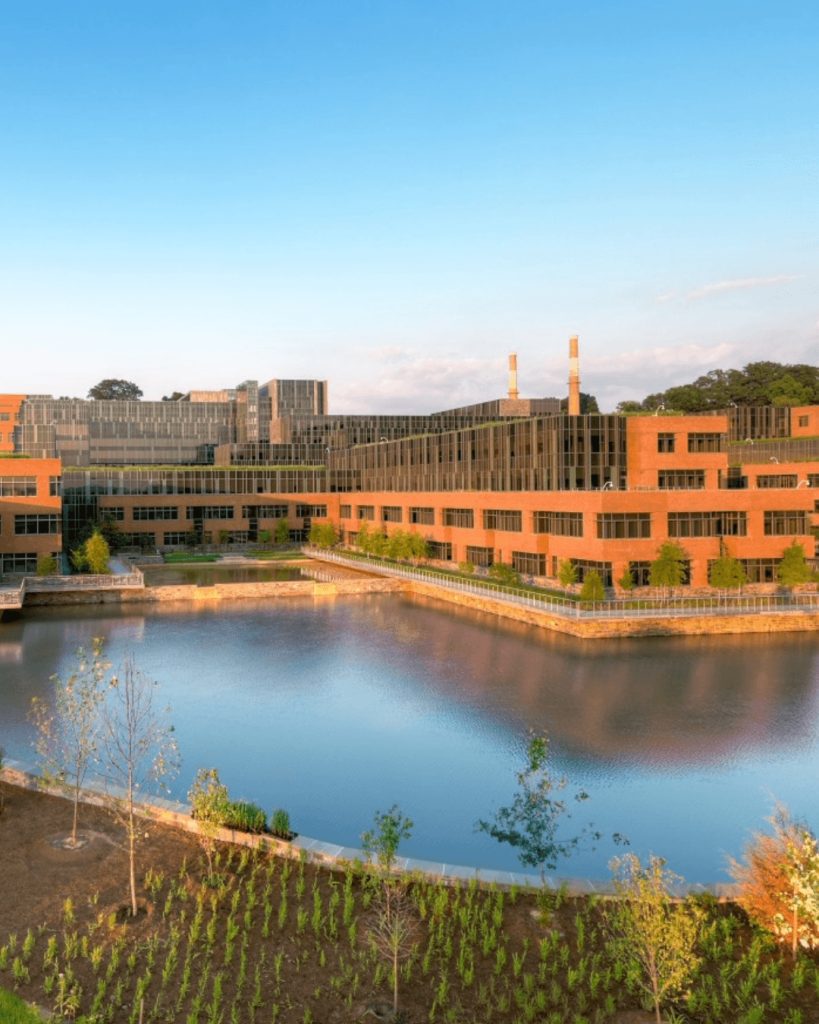
Government construction demands a high level of technical expertise at every opening. Strict security requirements and complex building conditions require teams that understand how doors, frames, hardware, and access control systems need to perform within highly controlled environments.
Unified Door and Hardware brings more than 20 years of government project experience to this work through a dedicated team that understands the security protocols and technical requirements of complex facilities. This expertise extends throughout design and construction, including projects with specialized credentialing or security clearances for on-site personnel.
Government facilities often rely on opening systems that function as part of a highly controlled security strategy. Access control can extend directly to electrified hardware and advanced monitoring systems that give security teams greater visibility and control throughout the facility.
Security planning extends into the physical construction of each opening. Depending on the facility and application, specialized openings may incorporate bullet-resistant or forced-entry assemblies, RF shielding, STC ratings, and blast-resistant construction. Future technology needs can influence infrastructure decisions made during construction. Incorporating conduit and junction boxes early is especially important within concrete walls, where later modifications can become significantly more difficult. Anticipating those needs during design allows project teams to develop an opening package that supports the facility’s security strategy well beyond initial installation.
Access control becomes a critical consideration during construction as completed areas of a government facility are turned over and secured. Work may continue elsewhere in the building, requiring project teams to manage access across areas operating under different levels of control.
Multi-level construction core systems help manage this transition by limiting entry based on each area’s status. Project teams must account for these changing access requirements as they plan and execute the opening package throughout construction.
Door monitoring can support life safety and occupancy tracking as part of the broader access control strategy, extending the value of these systems beyond construction into long-term building operations.
Government projects often require teams to manage significant design changes after detailing is underway, particularly when terrain or structural conditions affect the final building layout. Changes to column lines or grid references can alter the location and identification of openings, which makes accurate tracking essential as the design evolves.
Detailed grid and tag documentation gives teams a reliable way to map those revisions and keep each opening connected to the correct location. Field involvement becomes especially important when materials have already entered fabrication or procurement, since teams must respond to changing conditions without losing control of opening requirements or material status.
Specialized hardware can introduce technical requirements that extend directly into field execution. Certain high-security locks require manufacturer-specific certifications for installation and troubleshooting, so project teams need qualified personnel who understand the product and can provide technical oversight on site.
Government facilities typically present highly specific opening conditions based on how individual spaces function, and addressing those conditions requires teams to evaluate each opening closely and develop appropriate solutions before fabrication begins. Experienced field personnel can then support installation and resolve technical issues as construction progresses.
Working inside a government facility requires familiarity with strict site access protocols. Personnel may need security clearances or other credentials before entering restricted areas, while deliveries can require advance scheduling and inspection. Experience with these procedures helps teams anticipate site requirements and maintain progress within established security protocols.
Consistent on-site involvement provides another advantage throughout construction. Qualified personnel can troubleshoot specialized hardware and address changing field conditions directly, providing immediate technical support when issues arise.
Unified approaches government work through The Total Opening Solution™, bringing opening expertise and security coordination under one team. This integrated approach gives project teams greater control over complex requirements as designs evolve and secure areas transition through construction.
Unified’s government experience supports that process in the field, where technical decisions often need to be made quickly without compromising established security protocols. Active on-site support gives teams direct access to qualified personnel who can address changing conditions and keep specialized opening systems aligned with project requirements.
Government facilities leave little room for coordination gaps, and Unified brings the technical depth and field resources needed to manage complex opening packages through every stage of construction.
For your next government project, contact Unified to discuss how The Total Opening Solution™ can support your facility's opening and security requirements.
This site is protected by reCAPTCHA and the Google Privacy Policy and Terms of Service apply.