Corrosion is one of the most persistent challenges in construction materials, particularly when steel components are exposed to unpredictable jobsite conditions. Door frames and hollow metal doors are often delivered early in a project, long before buildings are enclosed, leaving them vulnerable to moisture, temperature changes, and handling during installation.
Material selection plays a significant role in how well these components perform under those conditions. The type of steel, the protective coating applied during manufacturing, and the way materials are stored on site all influence whether doors and frames remain stable or begin to corrode before installation is even complete.
These considerations have led many construction professionals to examine how steel is specified and supplied. Unified Door and Hardware has taken a deliberate approach to this issue by prioritizing materials that provide stronger corrosion resistance and greater reliability across a wide range of jobsite environments.
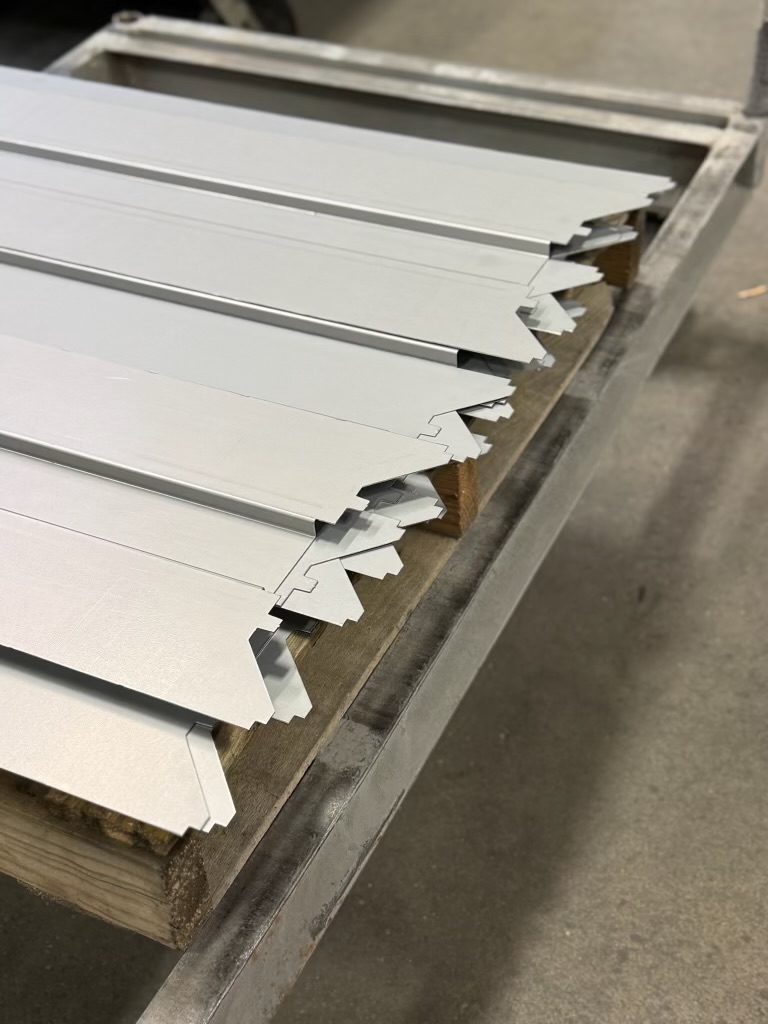
Most hollow metal doors and frames from Unified are manufactured with galvannealed steel, which consists of steel coated with a layer of zinc that provides corrosion resistance.
The level of protection depends on the thickness of the zinc coating. Specifications often reference designations such as A40, A60, or A90, which indicate the amount of zinc applied during production. Many projects specify A40 galvannealed steel for hollow metal doors and frames because it provides a practical balance between corrosion resistance and workability.
Galvannealed steel also offers a surface that is well-suited for painting. Unlike certain plated coatings that require additional preparation for paint adhesion, galvannealed surfaces allow paint to bond directly, making finishing simpler and more reliable on construction projects.
Industry standards set by the National Association of Architectural Metal Manufacturers (NAAMM) recommend storing hollow metal doors and frames in a cool, dry area and keeping them off the ground to prevent exposure to moisture. In practice, this can be difficult to achieve.
New construction sites often lack enclosed spaces during early phases of the project, meaning materials may sit outdoors or in partially completed structures where weather exposure is unavoidable. Even when frames are primed, steel that lacks a protective zinc layer can begin to rust when exposed to moisture under these conditions.
Galvannealed steel helps reduce that risk. The zinc coating protects the underlying metal from corrosion, so frames and doors can tolerate normal jobsite exposure with far fewer issues related to rust or oxidation.
One important distinction lies in how manufacturers prepare steel before it leaves the factory. Some hollow metal products are made from cold-rolled steel that receives a primer coating during fabrication. While this primer provides a basic protective layer, the underlying steel remains susceptible to corrosion if the coating is compromised.
Another approach uses galvannealed steel that already contains a zinc coating applied during the mill process. This material arrives “mill primed,” meaning it has inherent corrosion resistance before additional finishes are applied. The result is a door or frame that performs more reliably in real-world jobsite conditions.
Fabrication processes such as welding and grinding can expose small areas of steel during manufacturing, but those locations are typically treated with zinc-rich primer to maintain corrosion resistance before the final paint finish is applied.
Certain projects require even greater corrosion protection. Galvanized steel coatings such as G40, G60, or G90 contain higher levels of zinc and are often specified in environments where moisture, humidity, or salt exposure are significant concerns.
Architects typically determine which coating level is appropriate for a given project. Coastal locations, islands, and other high-moisture environments may require stronger protective coatings to extend the life of the door and frame assemblies. In rare cases, designers may even specify finishes that intentionally expose the steel surface for aesthetic purposes. While these specialized coatings offer increased corrosion resistance, they can also require additional preparation during finishing because paint does not adhere as easily to certain plated surfaces.
Unified Door and Hardware has standardized the use of mill-primed galvannealed steel across its hollow metal products, supplying A40 zinc-coated material as the baseline offering for customers nationwide. Years of field experience have demonstrated that this approach performs reliably across a wide range of construction environments, including the demanding conditions often found on active jobsites.
Teams are trained to fabricate, grind, and finish these materials properly, including the use of zinc-rich primers to protect areas exposed during manufacturing. This attention to detail allows Unified to deliver hollow metal doors and frames that resist corrosion before installation and remain ready for final paint finishes.
By prioritizing materials that perform in real jobsite conditions, Unified helps prevent rust-related issues before they begin, providing doors and frames that maintain their integrity throughout construction and well into the life of the building.
This site is protected by reCAPTCHA and the Google Privacy Policy and Terms of Service apply.