
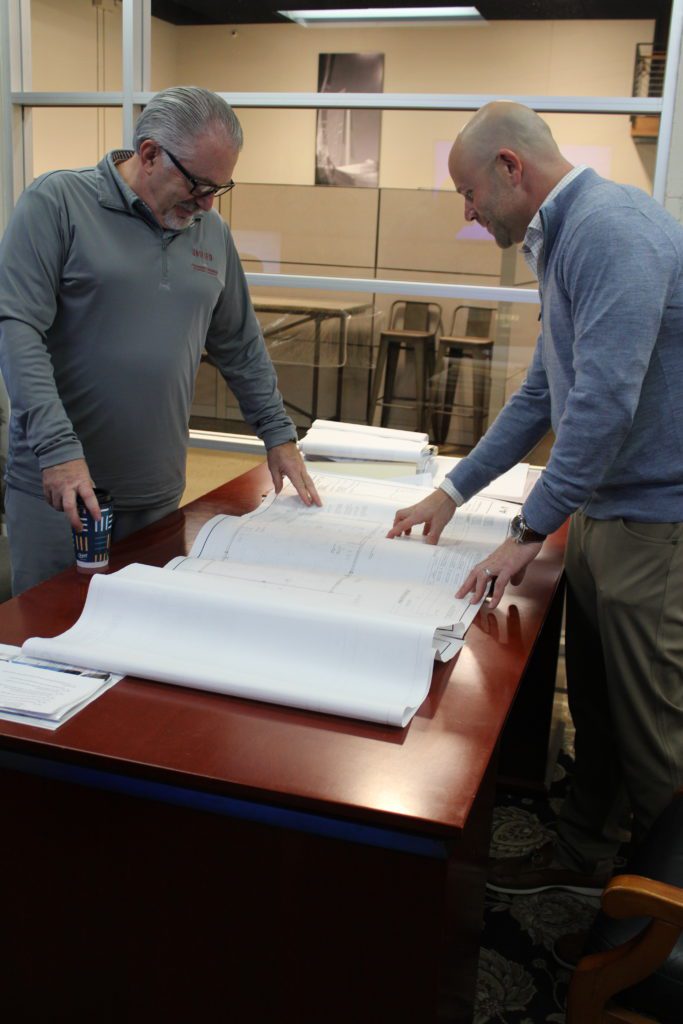
Value engineering is an essential aspect of delivering successful door, frame, and hardware packages. At its core, it is the practice of identifying alternate configurations that reduce cost while preserving performance, compliance, and design intent. When done correctly, value engineering is not about cutting corners. It is about understanding the building, the end user, and the expectations of the market, then applying that knowledge to create smarter solutions.
Effective value engineering starts with a thorough understanding of the project itself, and looking at plans at face value rarely tells the full story. The building type, usage patterns, and end market influence which products are appropriate and where savings can be found, and keeping potential alternates in mind throughout the build allows teams to recommend solutions that fit the project rather than forcing a one-size-fits-all approach.
Some value engineering opportunities are straightforward, while others require creativity and experience, especially in higher-end environments such as luxury condominiums and multifamily developments where aesthetics carry significant weight. In these cases, reducing cost without affecting appearance demands a deeper knowledge of products and access to alternatives that perform at the same level.
Plans and specifications are often treated as fixed instructions, which is appropriate for establishing a compliant base bid, but that approach can limit further evaluation. When the specified products are not examined in the context of how the building will be used, costs can increase unnecessarily, and opportunities to improve performance or suitability may be missed.
This issue is often compounded by inconsistent follow-through during the estimating process. Effective value engineering depends on careful research, accurate verification of part numbers, and a thoughtful evaluation of available alternatives. When that diligence is missing, bids can carry unnecessary cost, and opportunities for savings are lost before the project moves forward.
Not every project places the same emphasis on cost savings. Institutional buildings such as airports, schools, and hospitals often prioritize standardization and long-term performance over initial cost, which limits the opportunities for value engineering. In contrast, market-rate apartments, condominiums, and other multifamily projects provide more flexibility to explore creative alternatives that reduce cost without affecting quality.
Understanding these differences is essential, as markets vary by region, building type, and end-user expectations. Unified’s nationwide experience allows the team to adjust recommendations, accordingly, applying value engineering where appropriate and limiting its use when it does not support the project’s objectives.
Unified approaches value engineering with a broader perspective that looks beyond specifications alone. Each opening is evaluated in context, considering how the building will function, how spaces will be used, and how code requirements apply. This integrated view often reveals opportunities to reduce cost while strengthening compliance or operational performance.
Those decisions are shaped by decades of valuable industry experience. Some openings demand durability over appearance, while others justify a higher investment because of visibility or long-term maintenance needs. Effective recommendations rely on a clear understanding of material performance over time, warranty implications, and manufacturer capabilities. Value engineering works best when choices are informed by both field experience and product knowledge.
Unified views value engineering as a responsibility rather than a tactic. The objective is to deliver meaningful value through informed decisions that respect budgets while supporting performance and long-term reliability.
This site is protected by reCAPTCHA and the Google Privacy Policy and Terms of Service apply.